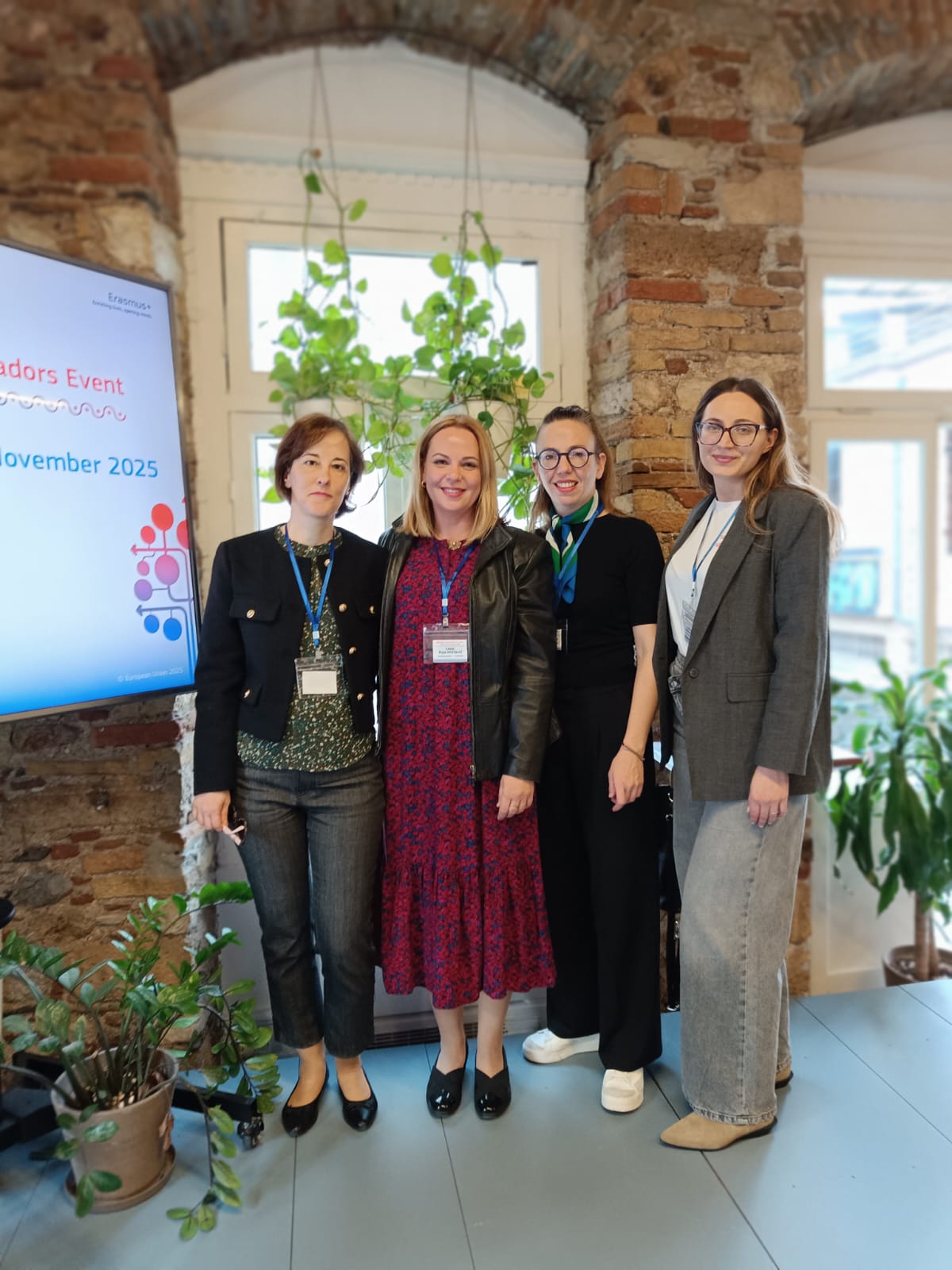
The EPALE Ambassadors Event took place on 26–27 November 2025 in Athens, bringing together representatives of national support services, researchers, and practitioners from various fields of adult education. Croatia was represented by ambassadors Željka Ciler, Lana Roje and Andrea Maksimović, as well as Dante’s mobility coordinator Mirna Rubeša. They took part in a two-day programme focused on sharing practice and reflecting on the future of adult learning.
The event opened with an address by Deirdre Hodson from the European Commission, who marked the tenth anniversary of the EPALE platform as a moment of appreciation for the community that has built and strengthened it over the past decade. She emphasised the rapidly changing needs of adult learners, particularly in the areas of digital and civic competences and the growing importance of understanding artificial intelligence in everyday life and work. Her remarks clearly highlighted the responsibility of educators to follow these developments while maintaining a critical distance from technologies that increasingly influence learning environments.
Speaking on behalf of the Greek NSS, Angeliki Petridou underscored the importance of international cooperation and the exchange of pedagogical approaches as core values of the EPALE community. She noted that the strength of the platform lies not only in its resources but also in the continuity of mutual trust and open communication among participants.
A presentation by Professor George A. Koulaouzides, widely recognised for his work in adult education methodology, attracted particular interest. He spoke about the professional and human values that guide educators in their work, reminding participants that the relationship between educator and learner is grounded in respect, attention to prior experience, and readiness to adapt to individual learning needs. The discussion that followed brought forward questions that arise daily in practice: how to build trust, how to recognise moments when a learner requires additional support, and how to balance structure with flexibility in the learning process.
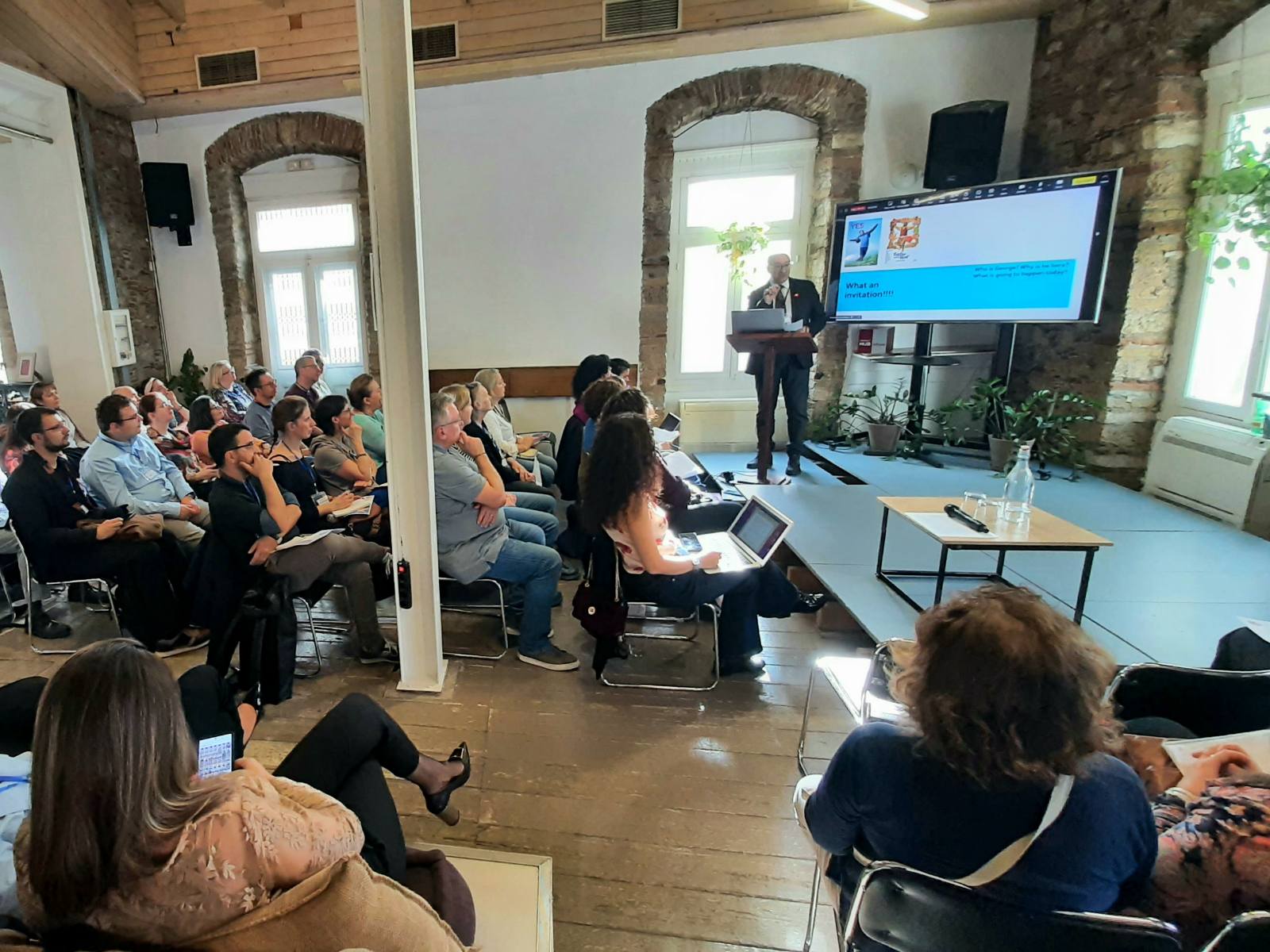
A presentation by the Central Support Services team, led by Filippo Mantione, offered insight into the operational background of the EPALE platform. Participants were introduced to current and upcoming features, including improved search functionality and personalised content recommendations, designed to enhance user experience and relevance.
The second day featured thematic workshops. A session on the ethical use of artificial intelligence in adult education addressed issues such as data protection, inaccurate outputs, linguistic precision, and the boundaries of professional use of AI tools.
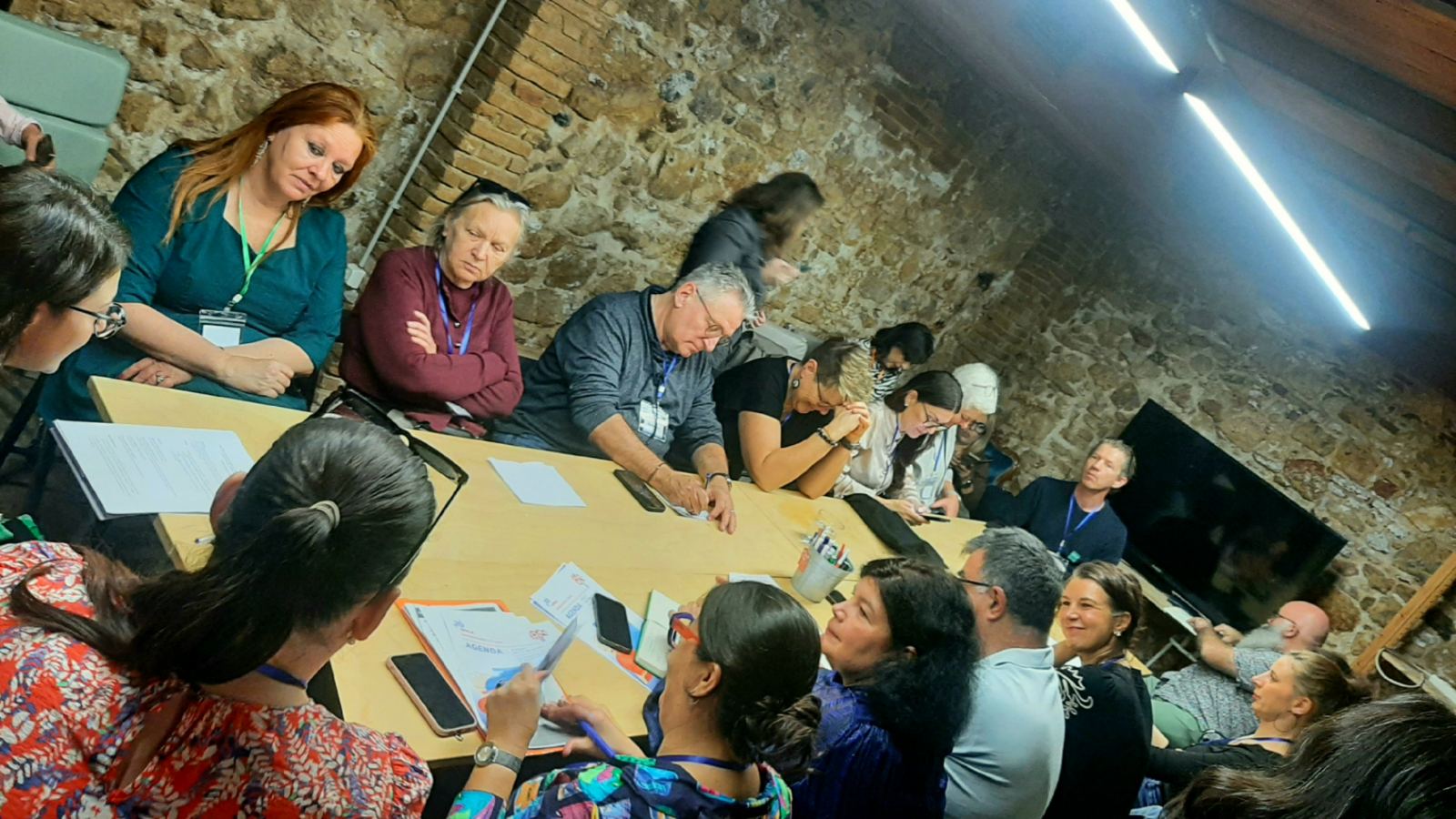
Parallel discussions explored concepts for future EPALE events at the local level, as well as approaches to presenting the platform to communities outside the formal education sector. The exchange of experiences once again demonstrated how diverse European practices can be mutually enriching when placed within a shared framework.
The final part of the programme focused on imagining EPALE in 2035. Participants reflected on which values should be preserved and which should be advanced in the years ahead. Despite the increasing influence of technology, there was a strong emphasis on the continued importance of human connection and mutual support as the foundation of adult education. The collective visions shared during the session reinforced the conviction that innovation is meaningful only when it strengthens learning and supports the community.
The EPALE Ambassadors Event in Athens highlighted the importance of creating spaces for professional exchange across Europe.
For me, this event was an opportunity for professional development, sharing experiences and reflecting on the direction in which adult education can and should develop in the coming years
 Mirna Rubeša